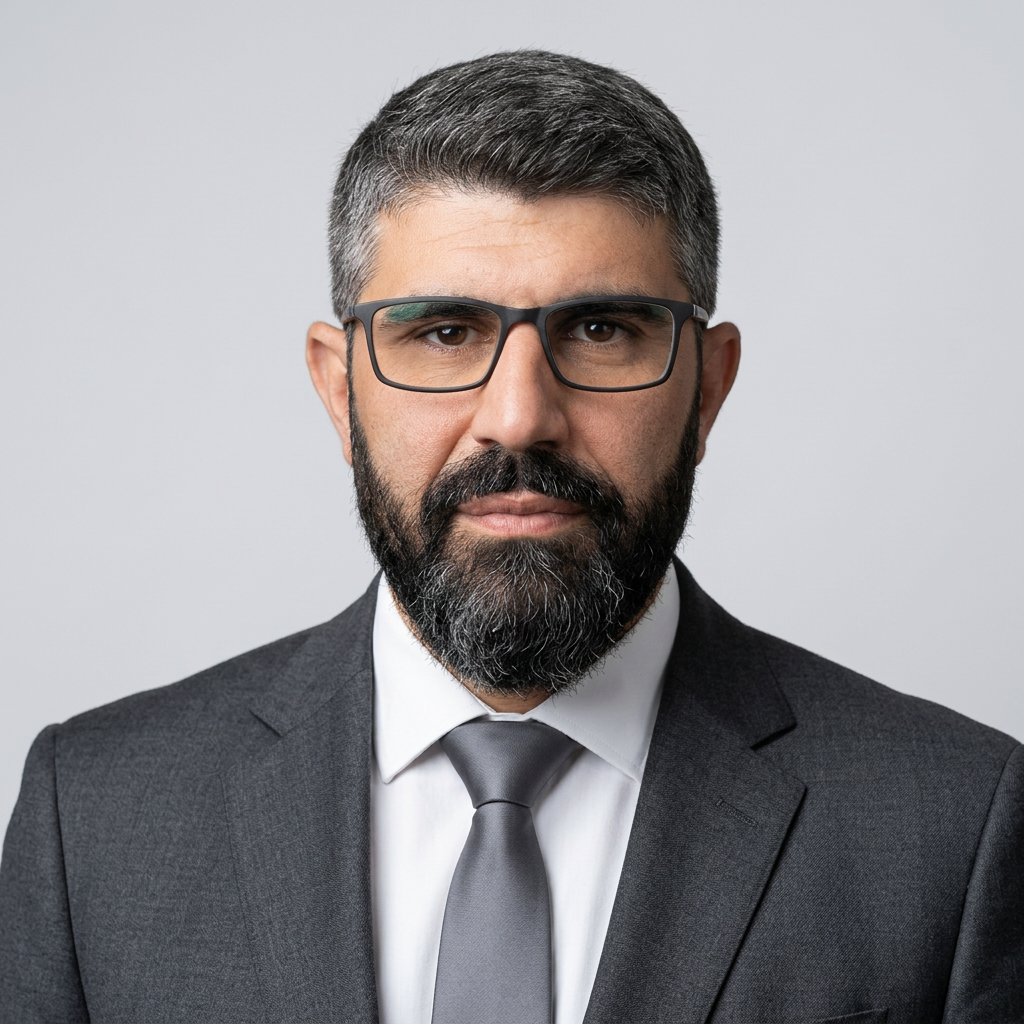
Murtez Alrohani - Founder, Karthea
Connect on LinkedIn →There are a lot of AI consultants. Most of them advise from the outside. Here's what makes Karthea different - and why that matters for the work.
I'm Murtez Alrohani - a software engineer with years of experience building and operating AI-native systems. I've spent most of my career at the intersection of software development and applied AI - building the kinds of systems that solo operators and small teams now run their entire businesses on.
I founded Karthea because I kept noticing the same problem: operators who are intelligent, capable, and deeply committed to their businesses were running AI stacks they'd never properly looked at. Tools accumulated. Workflows got complicated. Risk built up quietly. And nobody had time to step back and actually map the whole thing.
I take a small number of audits at a time - max 2 to 3 concurrent - because the work requires genuine attention, not a templated report. When you book an audit with Karthea, you're working with me directly, start to finish.
Most AI consultants approach your stack from the outside. They've read the research, they know the tools, they can produce a coherent recommendation. That's fine for some things.
But the audit work I do is different. The most valuable findings - the workflow gaps your competitors have already closed, the risk quietly building in your data flows, the automation that should be running but isn't - those findings require someone who actually lives in a stack like yours every day.
I run AI tools across my own work. I've built with LLMs, wired up automations, integrated tools that didn't want to be integrated, and dealt with the vendor-risk decisions most operators make once and never revisit. When I look at your stack, I'm not consulting from a framework. I'm looking at it the way another operator would.
That's the "operator-to-operator" claim on the homepage. It's not marketing language. It's the actual reason the recommendations land differently.
I take a maximum of 2 to 3 audits at a time. This is the whole reason the work is worth doing - it requires genuine attention, not a templated report applied to whoever booked this week.
Each engagement teaches me something about how real operators run their businesses. That accumulated intelligence is what makes the recommendations better over time - and what keeps this from becoming the kind of consulting where everything starts to look like the same problem.
When the calendar is full, I say so. When it's not, the work gets my full focus.
I have no affiliate relationships, no vendor kickbacks, and no financial relationships with the tools I recommend or critique. Every recommendation is based on what's right for your business. If that ever changes, I'll say so prominently before any engagement.
I won't take an engagement I don't think will go well. The discovery call exists specifically so I can tell you if we're not a fit - and mean it. If we're not a fit, I'll tell you on the call and point you somewhere better.
I work with 2 to 3 clients at a time, max. That's not artificial scarcity - it's the only way to do this work properly.
If you're running a real business on AI tools and want a clear-eyed outside look at how it's actually operating - I'd like to talk.
20 minutes. No pitch. I'll tell you if we're a fit.